Thinking about picking out the perfect Marine Crane? Honestly, getting some expert advice can make all the difference. I remember Tom Mitchell from Oceanic Cranes, a really respected marine engineer, once telling me, “Choosing the right equipment can be the difference between success and failure.” It’s all about finding that sweet spot between what you need and what it costs.
The Marine Crane world is pretty diverse, with options to match all kinds of operational needs. Things like load capacity, how far the boom can reach, and the environmental conditions on site are super important. These details can really impact how smoothly your project runs.
Honestly, figuring out which crane is the best fit isn’t always straightforward. A wrong choice could lead to delays that hit your wallet or even pose safety risks. So, it’s vital to really understand what you need. Taking the time to learn about each crane’s features can help steer you in the right direction — making sure you’re covered for now and down the line.
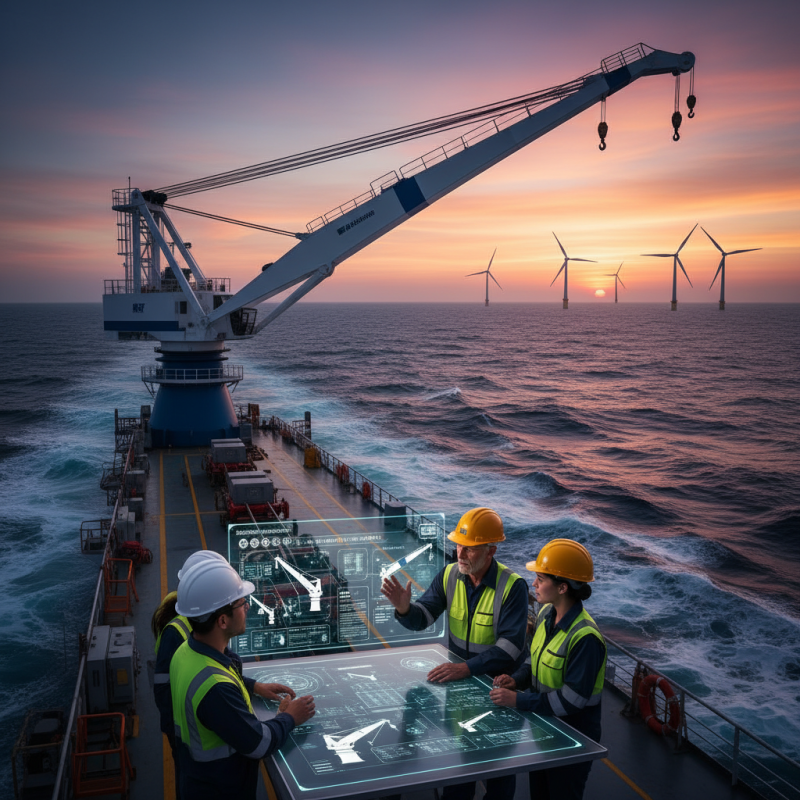
Understanding the Types of Marine Cranes Available in the Market
When considering a marine crane, it's crucial to understand the various types available in the market. Different needs call for different solutions. A floating crane, for instance, excels in offshore applications. It is designed to lift heavy loads from the water and transfer them to a vessel. This type is ideal for construction projects at sea, but it requires stable water conditions.
Another popular option is the ship-Mounted Crane. These cranes are integral to many vessels, allowing for cargo handling while underway. They offer versatility and can be customized for specific tasks. However, they tend to have a limited lifting capacity compared to other types. Those looking intoChina Marine Crane options may find diverse models that suit various operational needs.
Lastly, there's the portal crane. This type operates on land, often seen at shipyards and docks. It can lift heavy materials with precision. However, its use is limited to fixed locations and won’t serve well in dynamic marine environments. Understanding these types can guide you in selecting the right crane, but it's essential to reflect on specific project requirements and operational limitations.
Identifying Your Specific Lifting Requirements and Applications
Choosing the right marine crane starts with understanding your specific lifting requirements and applications. Whether for shipbuilding, maintenance, or loading cargo, the purpose greatly influences the type of crane you'll need. Consider factors like the maximum weight you need to lift, the height required, and the reach of the crane. Each application may necessitate different features.
Tips: Evaluate the environment. Will the crane operate in rough waters or confined spaces? Choose a model that can handle these conditions effectively.
Also, factor in your budget. While it’s tempting to go for the most advanced technology, sometimes simpler models suffice. Reflect on the long-term needs of your operations. A crane with unnecessary features can lead to wasted resources.
Think about ease of maintenance. A more complex crane might offer advanced capabilities, but it may also require specialized servicing. This could slow down operations if problems arise. Regular user feedback can be invaluable; gather insights from those who operate similar cranes.
How to Choose the Right Marine Crane for Your Needs? - Identifying Your Specific Lifting Requirements and Applications
| Lifting Capacity | Weight of Load | Boom Length | Operating Environment | Application Type |
| 10 tons | 8 tons | 30 m | Rough sea conditions | Cargo handling |
| 20 tons | 15 tons | 40 m | Harbor operations | Shipbuilding |
| 5 tons | 4 tons | 20 m | Calm waters | Maintenance |
| 15 tons | 12 tons | 35 m | Shallow waters | Offshore operations |
| 25 tons | 20 tons | 50 m | Deep sea | Heavy lifting |
Evaluating Load Capacity and Operational Range of Marine Cranes
When selecting a marine crane, load capacity and operational range are crucial. Evaluating how much weight a crane can handle is the first step. High-Quality Marine Cranes should provide clear specifications on their maximum load capacity. This ensures that they can safely lift and move the equipment or materials you need. Always consider the weight of your heaviest items, exceeding this may risk an accident.
Understanding the operational range is equally important. This determines how far and high the crane can lift. Examine the crane's reach, especially if you work in confined spaces or on vessels. A crane with a limited operational range can hinder your operations. If you frequently work with various load types, it’s wise to choose a crane designed to handle diverse lifting tasks.
Tips: Verify the crane's specifications through multiple sources for accuracy. Inspect the marine crane regularly to ensure it meets safety standards. Consider whether your operational needs may change in the future. Planning ahead can save you from costly upgrades or replacements. Also, think about training your crew thoroughly. A well-trained team enhances safety and efficiency, maximizing your investment in a high-quality marine crane.
Assessing the Environmental Conditions of Your Worksite
When selecting a marine crane, environmental conditions play a critical role. The worksite may include coastal areas, rivers, or offshore locations. Each of these has unique factors that can affect crane performance. Wind speed, wave height, and water depth are just a few considerations.
Extreme weather can limit operations. Strong winds can hinder crane stability. High waves may damage equipment or make operations unsafe. It's crucial to understand local climate patterns and seasonal changes. Gathering data on past weather conditions helps anticipate challenges.
Furthermore, consider the terrain and nearby structures. Muddy or uneven ground can affect mobility. Proximity to other vessels or buildings may pose risks. Surveying the area thoroughly aids in proper crane placement. Reflect on these factors to ensure optimal performance and safety on the job site.
Considering Safety Features and Compliance Standards in Cranes
When selecting a marine crane, safety features should be a priority. Cranes must comply with International Maritime Organization (IMO) safety standards. Regular assessments, like those outlined in the ANSI B30.22 standards, are essential. These standards help reduce accident risks significantly.
Choosing cranes with overload protection systems is critical. According to industry reports, cranes equipped with these systems can decrease failure rates by up to 40%. Additionally, visual inspection features, such as advanced monitoring technology, enhance operational awareness. This ensures that operators can detect potential issues early on.
Another consideration is stability. A marine crane’s design must prevent tipping. Reports state that cranes with wider bases are less likely to experience instability. Engaging with a reliable Marine Crane Supplier for guidance on compliance and safety will support the decision-making process. Ultimately, safety is not just a requirement; it enhances operational efficiency and protects your investment.
Marine Crane Safety Features Comparison
Reviewing Maintenance Needs and Lifespan of Marine Cranes
When selecting a marine crane, understanding its maintenance needs and lifespan is crucial. A well-maintained crane can serve efficiently for up to 25 years. However, neglect can lead to premature failures. Regular inspections are vital. Look for signs of wear, rust, and hydraulic leaks. Keeping a detailed maintenance log aids in longevity.
Tips:
- Schedule routine service checks.
- Use non-destructive testing to catch issues early.
- Training staff on basic maintenance can prevent costly repairs.
Considering the environment in which a crane operates also affects its lifespan. Marine conditions can be harsh. Corrosion and salt exposure shorten the life of equipment. Choosing a trusted Marine Crane Manufacturer who understands these challenges is essential. They can provide specialized solutions tailored to your needs.
Proper record-keeping is also important. Documenting repairs and inspections provides valuable insights. This information helps predict when a crane might need replacement or major repairs. Regular updates on equipment status enhance decision-making for operations.
Consulting with Experts and Manufacturers for Tailored Solutions
Choosing the right marine crane is a critical task that requires professional insights. Consulting with experts can help tailor the selection process to your specific needs. Many manufacturers offer extensive knowledge, making it essential to engage them. Understanding your operational environment is crucial. It affects crane capacity, type, and safety features.
Tips: Before finalizing your decision, consider requesting a site assessment. This can identify unique challenges. Different vessels require distinct specifications. Look for a crane that matches your operational scope. Ensure you discuss potential future projects, as flexibility is vital.
It's wise to verify the expertise of the consultant. Ask about their experience in marine crane solutions. Peer reviews or testimonials can provide insight into their reliability. Sometimes, manufacturers can overlook certain aspects during consultations, so actively engaging will provide a clearer picture of your options. Not all solutions will fit perfectly, making thorough investigation essential.
Maximizing Efficiency and Safety: The Role of Hydraulic Crane-Equipped Trucks in Heavy-Duty Timber Operations
In heavy-duty timber operations, maximizing efficiency and safety is paramount. One of the key innovations in this field is the hydraulic crane-equipped truck, which plays a crucial role in enhancing productivity while ensuring safe handling of heavy loads. These specialized vehicles are designed to navigate the challenging terrains often encountered in timber collection, making them indispensable for modern forestry practices.
Equipped with a robust hydraulic crane, these trucks boast impressive rated load capacities, such as 18,000 kilograms, enabling them to lift and transport substantial timber loads with ease. The hydraulic system allows for precise maneuvering, ensuring that even the most awkwardly shaped logs can be handled safely. Coupled with a flexible rotating mechanical grab, the efficiency of timber collection operations sees a significant boost. This enhances not only the speed of loading but also minimizes the risk of accidents, promoting a safer working environment for operators.
The combination of high load capacity and advanced hydraulic technology positions hydraulic crane-equipped trucks as vital assets in the timber industry. By streamlining timber collection processes, these vehicles help reduce operational downtime, increase productivity, and ultimately support sustainable forestry practices. With their innovative design, they are set to revolutionize the way heavy-duty timber operations are conducted.
FAQS
: There are three main types: floating cranes, ship-mounted cranes, and portal cranes.
A floating crane is designed for offshore applications, lifting heavy loads from water to vessels.
Yes, they can handle cargo while underway but have a limited lifting capacity compared to other types.
Conditions like wind speed and wave height can affect crane performance and safety on the worksite.
Strong winds and high waves can hinder stability and potentially damage the crane or lead to unsafe conditions.
Cranes should include overload protection systems and compliance with IMO safety standards.
Cranes with wider bases are less likely to tip over, enhancing safety during operations.
Advanced monitoring can help operators detect potential issues early, reducing accident risks.
Terrain quality and proximity to other structures affect crane mobility and safety.
Yes, understanding specific needs and limitations is essential for choosing the right crane for optimal performance.
Conclusion
Choosing the right marine crane requires a comprehensive understanding of various factors to ensure it meets your specific needs. First, it's important to familiarize yourself with the different types of marine cranes available in the market, as each type is designed for various applications and environments. Identifying your specific lifting requirements and understanding the operational range and load capacity of the crane are crucial steps in the selection process.
Additionally, assessing the environmental conditions of your worksite can significantly influence your choice, as not all cranes perform equally under different weather scenarios. Safety features and compliance with industry standards should also be prioritized to ensure the well-being of personnel and equipment. Lastly, reviewing the maintenance needs and expected lifespan of marine cranes, along with consulting experts and manufacturers for tailored solutions, can refine your decision, helping to choose the most appropriate marine crane for your operations.


